
There are many tourist countries that you can visit to spend an enjoyable holiday in. You can choose one of them, and among these countries is the Kingdom of Saudi Arabia, which is a religious destination for all Muslims in the world, in addition to being rich in many wonderful tourist places that are worth visiting, in addition to its huge and distinctive markets.
Tourism lovers, we offer you a 16-day tourist program in the most beautiful Saudi cities, starting in Riyadh and ending in Medina.
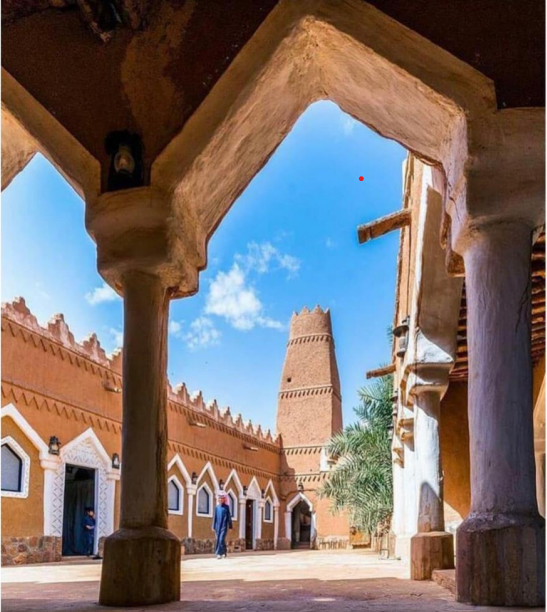
Popular Culture: The cultural setting of Saudi Arabia is greatly influenced by the Arab and Islamic culture. The society is in general deeply religious, conservative, traditional, and family-oriented. Many attitudes and traditions are centuries-old, derived from Arab civilization and Islamic heritage.
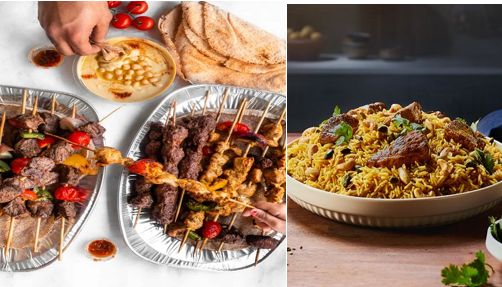
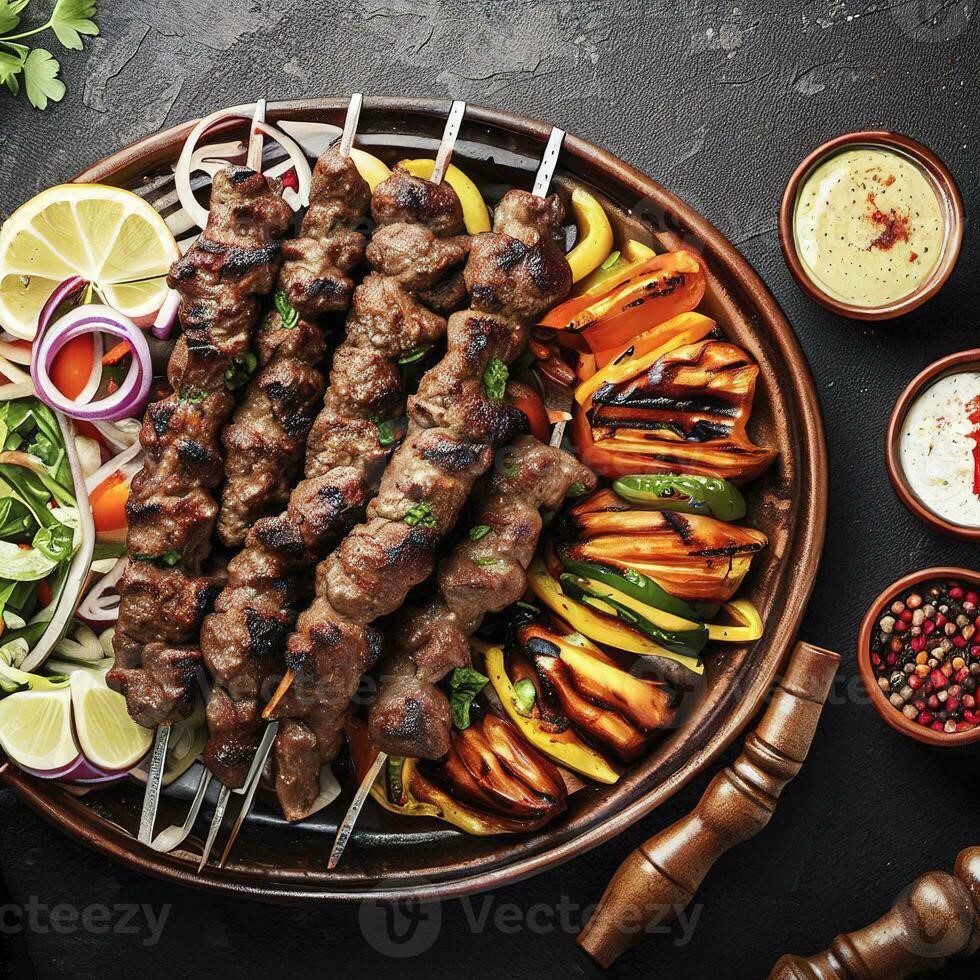
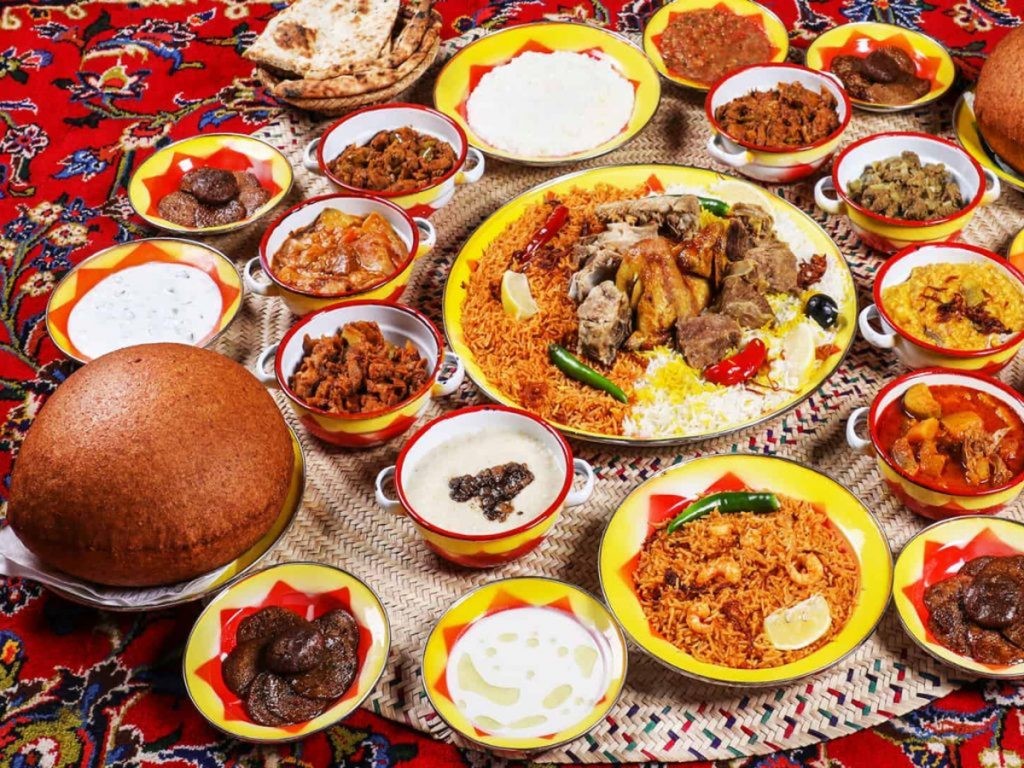
Food: Traditional Food In Saudi Arabia: The Authentic Arabian Flavors Generally, Saudi Arabians eat Kabsa(rice can be cooked with chicken or meet), grilled meat, roasted chicken, tangy salsa or a fish delicacy with rice for the lunch. For dinner, people often choose a light chopped salad, a sumptuous bowl of soup, and Saudi platter.
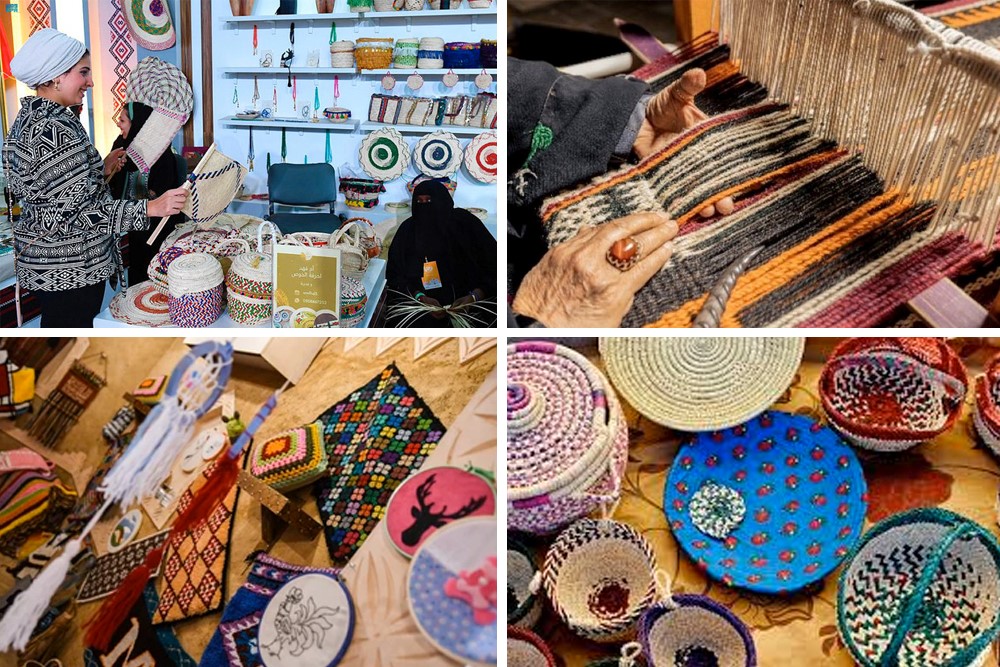
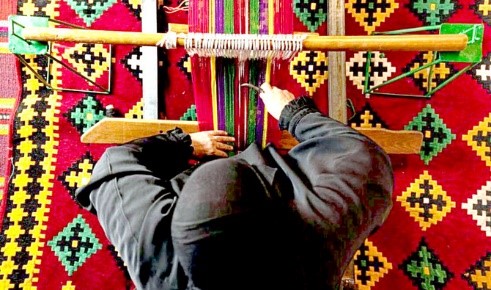
Crafts: There are many portable art forms in Saudi Arabia. For example, there is metal work, jewelry, pottery and leatherwork. Even today, many Bedouin women weave, and they make brightly colored striped rugs, camel trapping and tents. The tents are black and are made of goat-hair, mixed with sheep's wool and camel-hair.
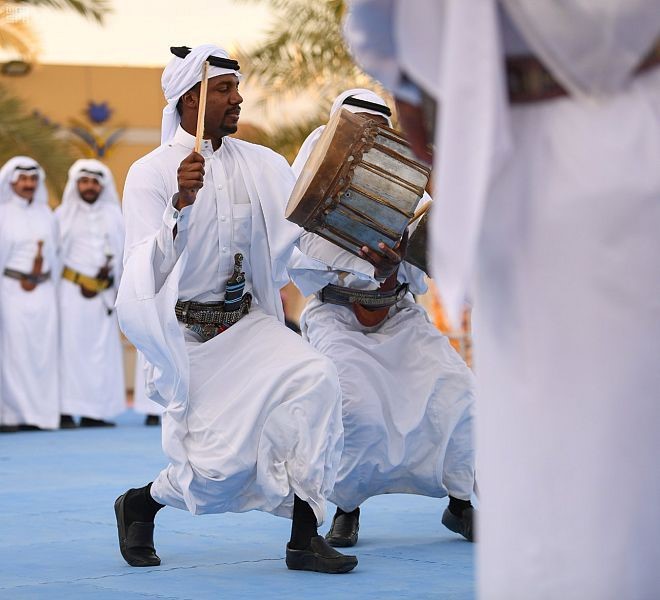
Songs and Dances: Both Western and traditional music are very popular in Saudi Arabia. Like The national dance is the men's sword dance known as the ardha. An ancient tradition with its roots in the country's central area known as the Najd, the ardha is a combination of singers, dancers carrying swords and a poet or narrator.any of its Persian Gulf neighbors, khaleeji folk traditions are popular styles.
Historical Sites: These places are best for sights & landmarks in Riyadh: Kingdom Centre Tower · Al Masmak Fortress · Al Rajhi Mosque · Al Faisaliyah Centre, Murabba Palace, Wadi Hanifah ,Al Thumairi Souk. Ushaiqer Heritage Village, Edge of the World, Wadi Al-Touqi, Rawdat Attinhat, Noura's kindergarten, Al Masmak Palace and Al-Ahsa Oasis.
First Day
8:30 AM to 9:45 AM - Breakfast at Almajlis Aqlkhaleeji Restaurant - 30-40 SAR
9:45 AM to 1:00 PM - Edge of the world tour including dinner and hike from riyadh - 273 SAR
1:00 PM to 4:00 PM – Wadi Al-Touqi
4:00 PM to 5:30 PM - Lunch at najd village restaurant - 50-70 SAR
5:45 PM to 7:30 PM - Workshop (najd doors crafting)
8:00 PM to 10:30 PM – Visit Noura’s kindergarten
10:30 PM Go back to hotel (KAFD) - 679 SAR per night
Second Day
8:30 AM to 9:50 AM - Breakfast at alnajd palace - 50-100 SAR
10:00 AM to 1:00 PM - Quad biking and camel riding in riyadh dessert
1:15 PM to 2:00 PM - Lunch at Albujairi - 80-100 SAR per person
2:30 PM to 3:30:00 PM - Go to Ehsaa city
4:00 PM to 5:00 PM - Visit Al-Ahsa Oasis
5:15 PM to 6:30 PM - Al Uqair Port
6:45 PM to 7:30 PM - Visit the Springs at Al-Ahsa Oasis
7:30 PM to 8:00 PM – Back to Riyadh
8:30 PM to 9:30 PM - Dinner at social dining - 100-150 SAR per person
Workshop:
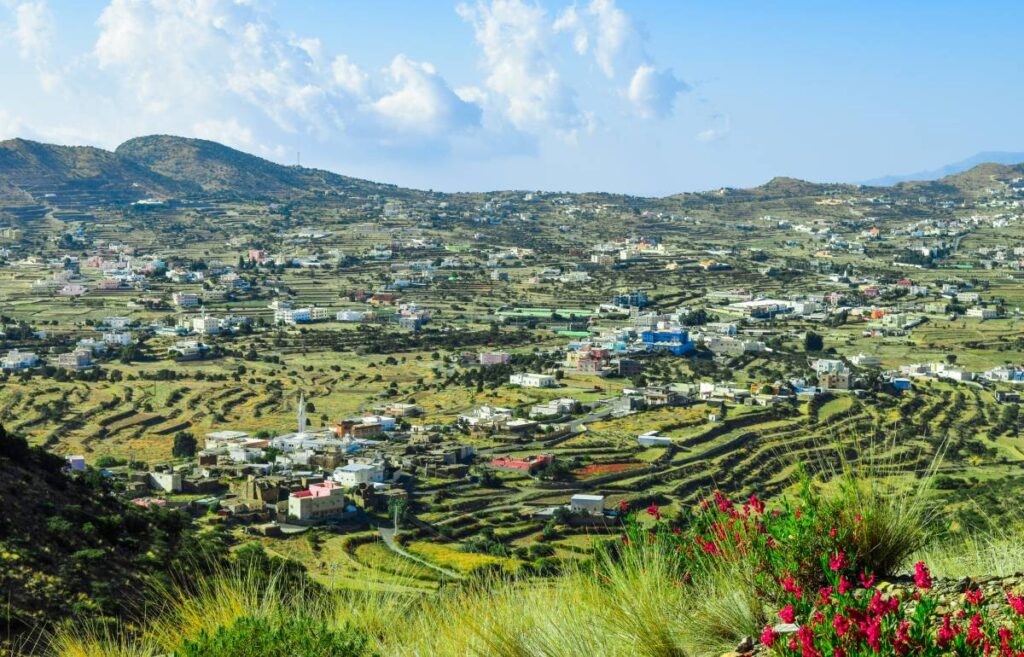
Popular Culture: Abha, Saudi Arabia, has a rich cultural heritage and is known for its traditional music, dance, and art. The city hosts the Abha Festival of Folk Culture, which celebrates the region's heritage through performances, exhibitions, and cultural activities. Additionally, Abha has a growing contemporary arts scene, with art galleries and cultural events showcasing the work of local and international artists. The city's diverse population also contributes to a vibrant and varied popular culture, with influences from different regions and traditions. Overall, Abha's popular culture reflects a blend of traditional and modern influences, making it a unique and dynamic cultural hub in Saudi Arabia.
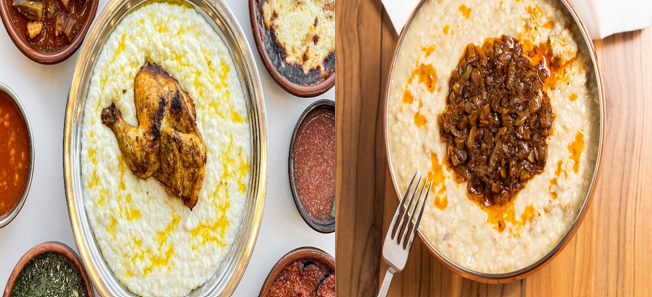
Food: Abha, offers a variety of traditional and international cuisine. Some popular traditional dishes in Abha include: Kabsa , Mandi , Saleeg , Jareesh , Aseedah.
Crafts: Abha, located in the southwestern region of Saudi Arabia, has a rich tradition of crafts and artisanal work. The city is known for its skilled artisans who create a variety of traditional crafts, reflecting the region's cultural heritage. Some of the traditional crafts found in Abha include: 1. Weaving, Pottery, Basketry and Metalwork These traditional crafts are often sold in local markets and artisanal shops, providing visitors with the opportunity to appreciate and purchase these unique handmade items. The crafts of Abha are not only a source of cultural pride but also contribute to the city's vibrant artisanal scene.

Songs and Dances: Abha, a city in the southwestern region of Saudi Arabia, has a rich tradition of music and dance, reflecting the region's cultural heritage. Traditional songs and dances in Abha are often performed during cultural festivals, weddings, and other celebrations. Some of the traditional songs and dances in Abha include: ardha, mizmar music , samri , razfha

Historical Sites: Abha is home to several historical and cultural sites that showcase the region's rich heritage. Some of the notable historical sites in and around Abha include: Al-Muftaha Village, Al-Soudah Park, Shada Palace, Al-Habala Village, Asir National Park, the green Mountain.
First Day
8:00 AM - 9:00 AM: Breakfast at the village restaurant.
9:30 AM - 12:00 PM: Visit Al-Soudah Park.
12:30 PM - 2:00 PM: Lunch at Al Mufarraj Restaurant.
2:30 PM - 4:30 PM: Jewelry workshop
5:00 PM - 6:30 PM: Visit Shada Palace.
7:00 PM – 8:00 PM: Dinner at Al Habashi Restaurant.
Second Day
8:00 AM - 9:00 AM: Breakfast atBlue Inn Hotel.
9:30 AM - 12:00 PM: Outdoor adventures in the green Mountains. Cost varies based on activity (e.g., hiking, biking).
12:30 PM - 2:00 PM: Lunch at Al Shalash Restaurant.
2:30 PM - 4:30 PM: Discover the ancient village of Al Habala. Free activity.
5:00 PM - 7:00 PM: Explore local markets and souks. Cost varies based on purchases.
7:30 PM – 9:30 PM: Dinner at Al Khayal Restaurant.
6:45 PM - 7:30 PM: Visit the Springs at Al-Ahsa Oasis
7:30 PM – 9:30 PM: Dinner at Al Khayal Restaurant.
Workshop

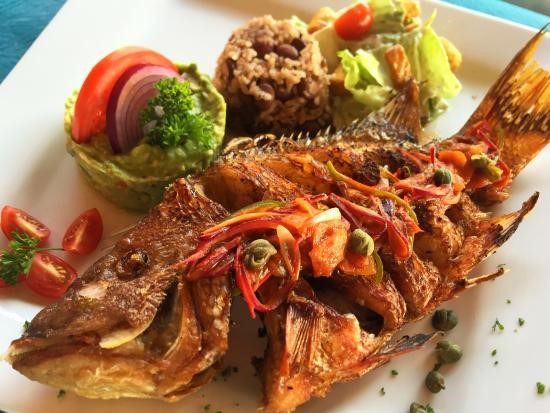
Food: Jazan's cuisine is influenced by its coastal location and the region's agricultural activities. Seafood dishes, such as grilled fish and shrimp, are popular, along with traditional rice-based dishes and flatbreads. The use of local spices and herbs adds distinct flavors to Jazani cuisine.
Crafts: Jazan is known for its traditional crafts, including pottery, weaving, and basketry. Skilled artisans create a variety of handcrafted items, such as woven baskets, textiles, and pottery, which are valued for their cultural significance and craftsmanship.
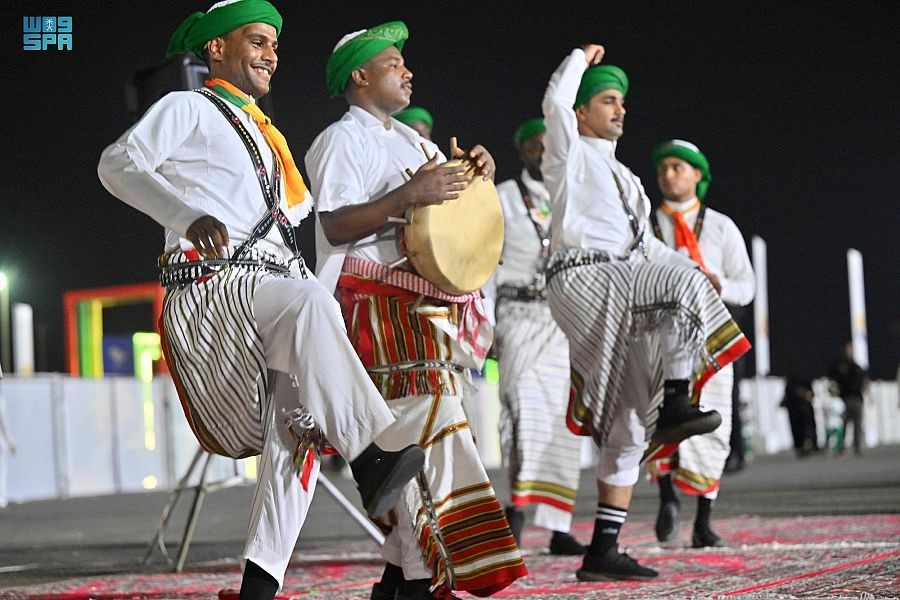
Songs and Dances: Jazan has a vibrant tradition of music and dance, with local performances often showcasing traditional folk music and dances that are an integral part of the region's cultural identity. These performances often feature lively music, rhythmic dance movements, and colorful costumes, reflecting the cultural heritage of the area.
Historical Sites: it offers for visitors the opportunity to explore the rich history and cultural heritage of Jazan, providing a deeper understanding of the region's past and its significance in the broader historical context of Saudi Arabia. Like: Al-Marwani Mosque, Al-Darb Historical Village, Farasan Islands, Jazan Regional Museum, Ottoman Forts, Old Towns, Heritage Sites and Wadi Lajab.
First Day
7:00 AM to 7:45 AM: Breakfast at Sultana Restaurant
8:00 AM – 10:00 AM: Visit the Jazan Regional Museum
10:20 AM - 12:00 PM: Visit wadi lajab
12:30 PM - 1:30 PM: Lunch at Al Dorat Restaurant
2:00 PM - 4:00 PM: Al Qatt alasiri workshop.
4:30 PM - 6:00 PM: Take a leisurely stroll along the Jazan Corniche to enjoy the scenic views of the Red Sea. (Free activity)
6:30 PM – 8:00 PM: Dinner at Al Baik Restaurant
Second Day
7:30 AM to 8:30 AM: Breakfast at Al Mazaj Restaurant
9:00 AM - 12:00 PM: Visit the Farasan Islands for a day trip, including a boat ride to the islands. (300 SAR per person)
12:30 PM - 2:00 PM: Enjoy a picnic or lunch at a local restaurant on the Farasan Islands. (Costs vary)
2:30 PM - 5:00 PM: Explore historical sites on the Farasan Islands, such as old forts and archaeological remnants. (Free or nominal entrance fees)
6:00 PM - 8:00 PM: Return to Jazan from the Farasan Islands.
8:30 PM - 10:00 PM: Dinner at Al Jazeera Restaurant.
Workshop
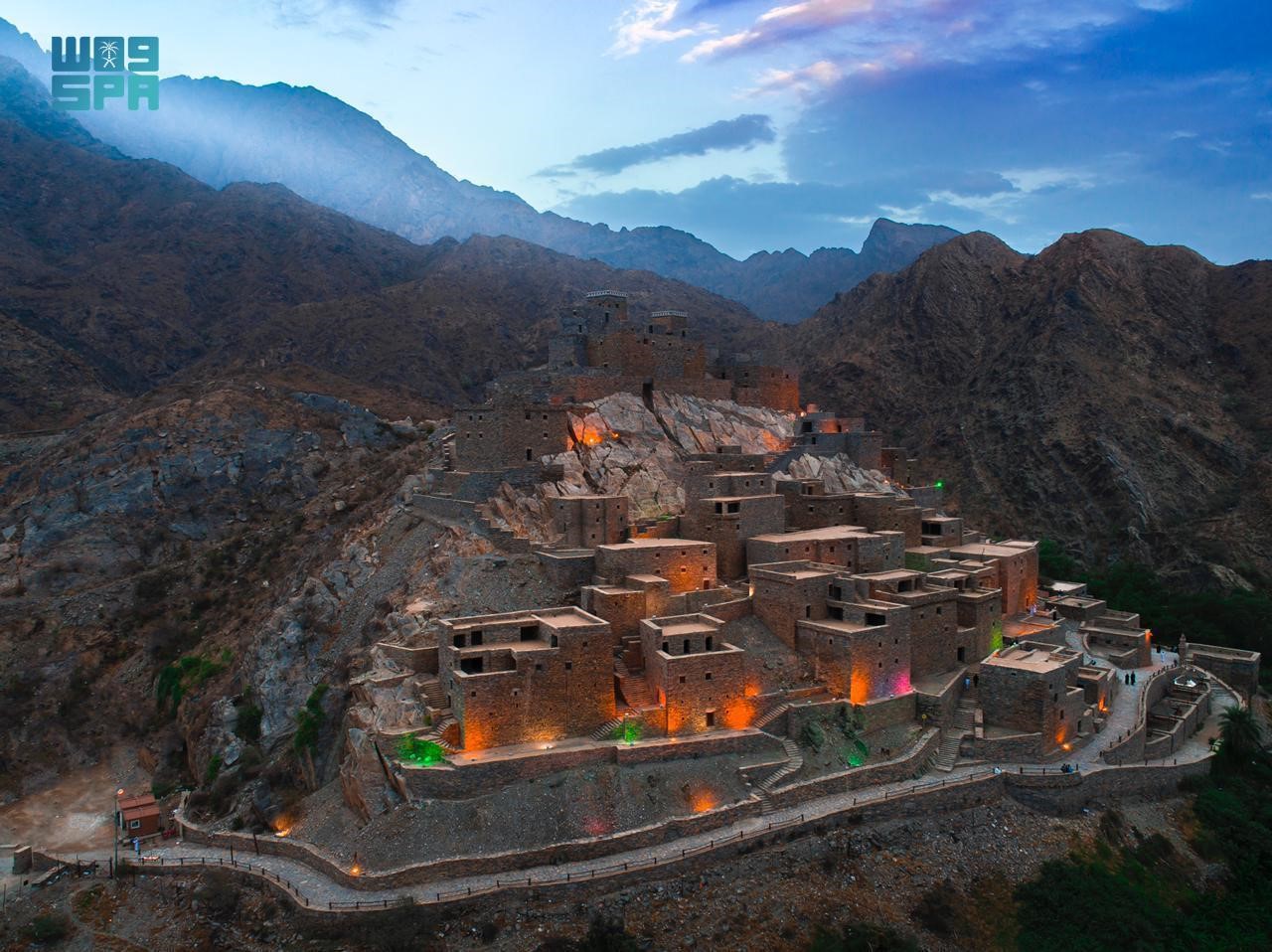
Popular Culture: Al-Baha may not be widely known for its contributions to popular culture, but it still has its own local traditions and art forms that are cherished by the residents.
Food: Al-Baha is known for its delicious traditional cuisine. Local dishes feature ingredients such as dates, saffron, cardamom, and local honey. Popular dishes include jereesh (cracked wheat with meat), kabab maqla (grilled meat skewers), and harees (mashed wheat and meat).

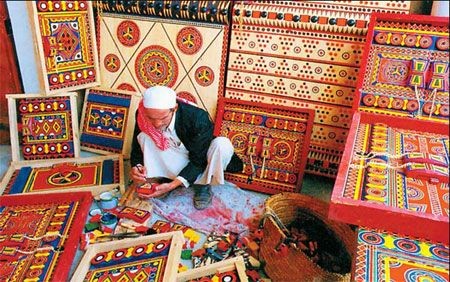
Crafts: The people of Al-Baha are skilled in various traditional crafts, such as pottery, weaving, embroidery, and carpentry. Local artisans produce intricate artwork and handicrafts that showcase the region's cultural identity.
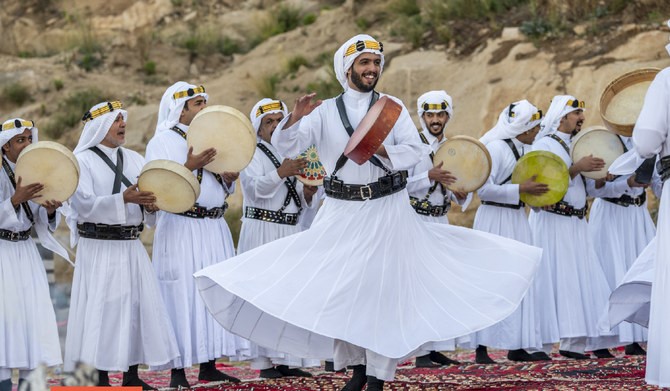
Songs and Dances: Al-Baha has a rich musical heritage, with traditional folk songs and dances being an essential part of its cultural fabric. These performances often feature traditional instruments like the oud, rababa, and drums.
Historical Sites: Al-Baha, a city in Saudi Arabia, has a rich history which is reflected in its numerous historical sites. Qassim Palace, Al-Zahran Historical Village, Al-Guweif Castle, Al-Makhlat Village, Al-Raghwan Village, Al-Qarah Historical Village and the Ain village.
First Day
7:30 AM to 8:30 AM: Breakfast at Alfa Village Restaurant
9:00 AM to 11:30 AM: Visit Al-Qara Mountain and enjoy hiking and exploring the beautiful scenery.
12:00 AM to 1:30 PM: Cupping therapy.
2:00 PM to 3:00 PM: Have lunch at Al Nakheel Restaurant.
3:30 PM to 4:30 PM: Visit the Albaha Museum.
5:00 PM to 6:30 PM: Take a walk in King Fahd Park and enjoy the peaceful atmosphere and beautiful landscapes.
7:00 PM to 8:00 PM: Have dinner at Al Dar Resturant.
8:30 PM to 10:00 PM: Relax at Bake House Café
Second Day
7:30 AM to 8:30 AM: Breakfast at Amam Al-Baha Restaurant.
9:00 AM to 10:30 AM: Take a guided tour of the historic Albaha Castle and learn about its architecture and historical importance.
11:00 AM to 1:00 PM: Visit thee ain village.
1:30 PM to 2:30 PM: Have lunch at Al Rommanah Traditional Restaurant.
3:00 PM to 4:00 PM: Explore the Marid Castle and learn about its history and role in defending the region.
4:30 PM to 6:00 PM: Head to the popular Al-Fawzan Park and engage in recreational activities such as cycling or having a picnic.
6:30 PM to 7:30 PM: Visit the Albaha traditional souq (market) and shop for unique souvenirs and traditional handicrafts.
8:00 PM to 9:00 PM: Dinner at Mama Noura Restaurant.
9:30 PM to 11:00 PM: Attend and witness traditional dances, music, and costumes.
11:00 PM: End the day by stargazing at a nearby observation point, taking in the clear night sky and the beauty of the stars.
Workshop
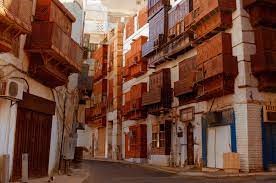
Popular Culture: Jeddah's popular culture is deeply rooted in its rich history and heritage. The city has preserved its old town, known as Al-Balad, which showcases traditional architecture and cultural heritage. Traditional dances and folk music are also part of Jeddah's cultural events.
Food: Jeddah is well-known for its delicious traditional Arabian cuisine, with dishes like Mandi (a spiced rice dish with meat) and Kabsa (a seasoned rice dish with meat and vegetables). The city also offers a wide range of international cuisine, reflecting its cosmopolitan nature.
Crafts: Pearl Diving Artifacts, Woodwork, Jewelry Making, Calligraphy, Textile Weaving and Pottery, These are just a few examples of the crafts that can be found in Jeddah. The city's diverse culture and artistic heritage contribute to a vibrant craft scene, offering a wide range of unique and beautiful handmade products.
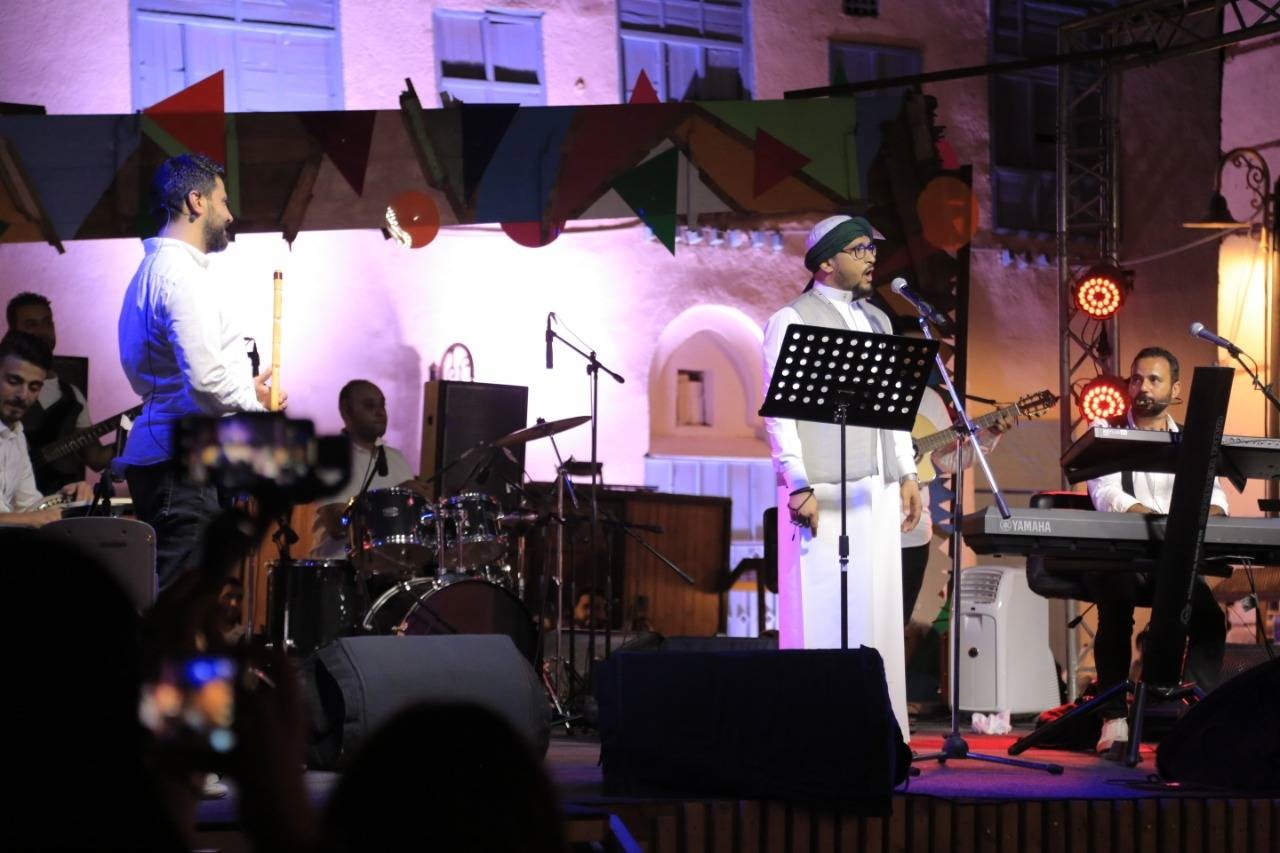
Songs and Dances: Jeddah has a thriving music scene with local musicians and bands performing various genres like pop, hip-hop, rock, and traditional Arabian music. The city also hosts music festivals and concerts, attracting both local and international artists.
Historical Sites: The city is famous for its historical landmarks, such as the King Fahd Fountain - the tallest fountain in the world, and the Al-Balad district, which is a UNESCO World Heritage site and showcases traditional Saudi Arabian architecture.
7:00 AM to 8:00 AM - Breakfast at (Twenty Four Restaurant) - 75-120 SAR
8:15 AM to 10:45 AM - Visit abhur bay.
11:00 AM - 1:30 PM – Visit al-balad district.
1:45 PM - 3:00 PM – Visit the king fahed fountain.
3:30 PM - 4:30 PM - Lunch at Mataam Al Sharq in Corniche - 33.75-75 SAR.
4:45 PM - 6:45 PM – Scuba diving trip.
7:00 PM - 8:00 PM - Check out Matbouli House Museum - 30 SAR.
8:05 PM - 9:00 PM - Take a look around Museum of Arts Home - 50 SAR.
9:00 PM - 10:00 PM – Dinner at Al Nakheel restaurant - 37.5-112.5 SAR
10:15 PM - Go to The Hotel Galleria By Elaf - 537 SAR.
Workshop
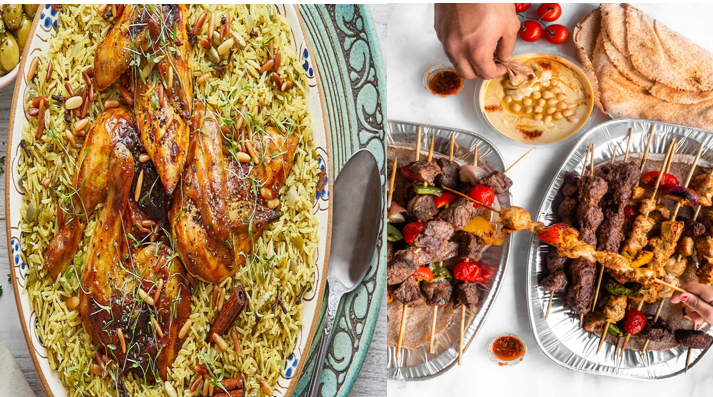
Food: Makkah has a diverse culinary scene that brings together flavors and dishes from different parts of the Muslim world. Traditional Arabian cuisine, such as kebabs, lamb dishes, and dates, are popular, along with dishes from other Muslim countries like Pakistan, India, and Indonesia.
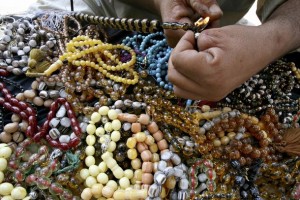
Crafts: Some popular Makkah crafts include beadwork, leatherwork, pottery, and wood carving. Beadwork is a skill passed down through generations, and Makkah women are known for creating beautiful bead jewelry, accessories, and home decor items. Leatherwork includes making bags, wallets, belts, and shoes with hand-stitched designs or embossed patter.
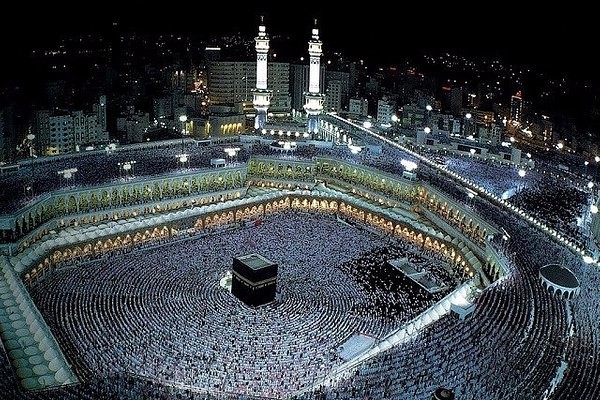
Historical Sites: There are several historical sites in Makkah, Saudi Arabia that hold great religious significance for Muslims. Here are some of the most prominent ones: Masjid al-Haram, Mount Arafat, Cave of Hira, Jannat al-Mu'alla, Masjid Jin and Mount Thawr.
First Day
8:00 AM to 9:00 AM: Breakfast at the Pullman ZamZam Makkah hotel.
9:30 AM to 10:00 AM: Depart for Masjid al-Haram.
10:15 AM to 11:00 AM: Explore the Kaaba and perform Tawaf.
11:30 AM to 12:00 PM: Visit the Well of Zamzam.
12:30 PM to 1:15 PM: Lunch break in Al Tazaj.
1:15 PM to 2:00 PM: Visit the Abraj Al-Bait Towers and enjoy the panoramic view of the city.
2:30 PM to 3:30 PM: Visit the Jabal al-Nour caves.
4:00 PM to 5:30 PM: Return to the hotel for rest and freshen up
6:00 PM to 6:30 PM: Evening prayer at Masjid al-Haram
7:00 PM to 7:45 PM: Dinner break in Al-Nakheel.
8:00 PM to 9:30 PM: Explore the local markets and shops around the Kaaba area.
10:00 PM to 10:30 PM: Night prayer at Masjid al-Haram.
11:00 PM: Return to the hotel for rest.
Second Day
6:00 AM to 6:30 AM: Early morning prayer at Masjid al-Haram.
7:00 AM to 7:45 AM: Breakfast at the hotel.
8:00 AM to 9:30 AM: Depart for Mount Arafat.
10:00 AM to 2:00 PM: Reach Mount Arafat and spend the day in reflection and prayers.
2:30 PM to 3:15 PM: Lunch break at Mount Arafat.
3:30 PM to 4:00 PM: Depart for Muzdalifah.
4:00 PM to 6:00 PM: Go to the space museum.
8:00 PM to 9:00 PM: Return to the hotel for rest and freshen up.
9:00 PM: Dinner break in Ajwa.
Workshop

Popular Culture: The culture of Madinah is deeply rooted in Islamic traditions. The Madinah people, are generally known for their hospitality and kindness. The atmosphere is peaceful and focused on religious practices, with a strong sense of community.
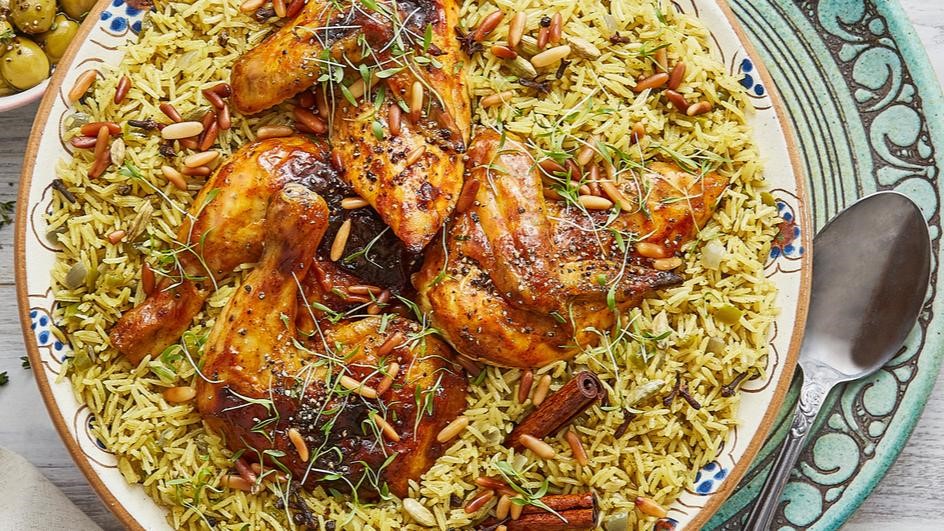
Food: Madinah cuisine is influenced by Arabian and Middle Eastern flavors. Dates, a staple in the region, are often part of the cuisine. Dishes like Mandi (a rice and meat dish), Harees (a wheat and meat porridge), and various types of bread are commonly enjoyed.
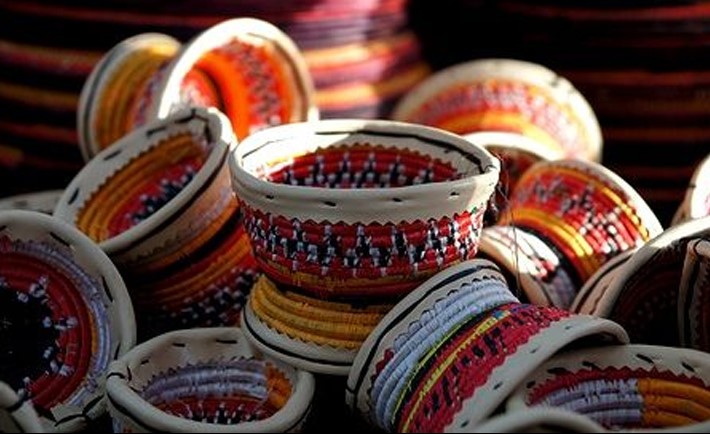
Crafts: Traditional crafts in Madinah include very detailed designed carpets, textiles, and pottery. Skilled artisans often create handcrafted items with geometric patterns and calligraphy, reflecting Islamic art.
Songs and Dances: Madinah cultural expressions are strongly tied to religious practices, and traditional songs often focus on praising the Prophet Muhammad and celebrating Islamic events. Traditional dances are more ceremonial and are associated with special occasions and festivals.
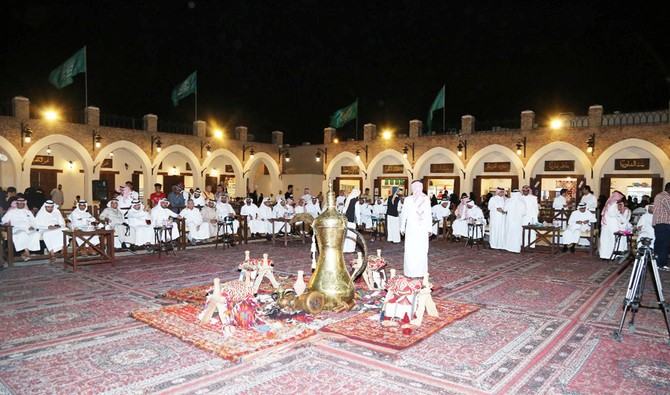
Historical Sites: Madinah is rich in historical sites. Apart from the Prophet's Mosque, remarkable locations include Quba Mosque, the first mosque in Islam, and Qiblatain Mosque, where the direction of prayer (qibla) was changed. The city's historical sites provide a glimpse into the early days of Islam and hold significant cultural and religious importance.
First Day
8:45 AM to 10:00 AM – Visit hegra.
10:15 AM to 11:15 AM - Cave of Bani haram - 0 SAR.
11:30 AM to 1:00 PM - Visit hejaz station.
1:30 PM to 3:00 PM - Masjid Al Nabawi - 0 SAR.
3:30 PM to 4:30 PM - Lunch at (Alrayhan palace) - 150-250 SAR.
4:45 PM to 5:45 PM - Uhud Mountain - 0 SAR.
6:00 PM to 7:00 PM - Alrumat mountain - 0 SAR.
7:15 PM to 8:00 PM - Dinner at Bakran Mandi - 40-80 SAR.
8:15 PM to 9:30 PM - Masjid Quba 0 SAR.
9:30 PM - Return to Hotel Al-Andalus palace hotel - 200-450 SAR.
Second Day
8:00 AM to 9:30 AM: Start the day by visiting Qiblatain Mosque.
10:00 AM to 11:30 AM: Explore the Dates Market, known as Souq Al Kurun.
12:00 PM to 1:00 PM: Lunch at Al Taibah Restaurant.
1:30 PM to 3:00 PM: Visit the Quba Center.
3:30 PM to 5:30 PM: Rawshin workshop.
6:00 PM to 7:00 PM: Dinner at Al Rawdah Restaurant.
7:30 PM to 9:00 PM: End the day with a relaxing visit to Quba Mosque to perform prayers and soak in the spiritual ambiance.
Workshop
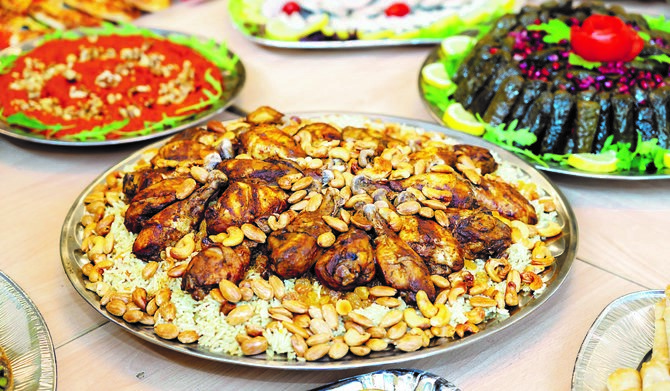
Food: The cuisine of Al Ula reflects the region's cultural diversity and heritage. Traditional dishes such as Kabsa (rice with spiced meat), Harees (a wheat-based dish), and Jareesh (fermented wheat) are popular local dishes. The local cuisine plays a significant role in shaping the culinary culture of Al Ula.
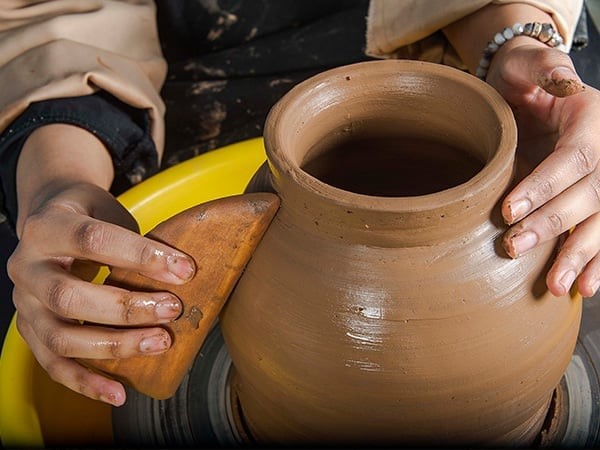
Crafts: Al Ula has a rich tradition of arts and crafts, which is an integral part of the local culture. Traditional practices such as pottery making, carpet weaving, basketry, and metalwork are still practiced by local artisans. The beauty and craftsmanship of these traditional arts contribute to the popular culture of the region.
Songs and Dances: Al Ula hosts various cultural events and festivals throughout the year, showcasing local traditions, music, dance, and food. These events serve as a platform to celebrate and preserve the cultural heritage of the region, attracting visitors from Saudi Arabia and beyond.
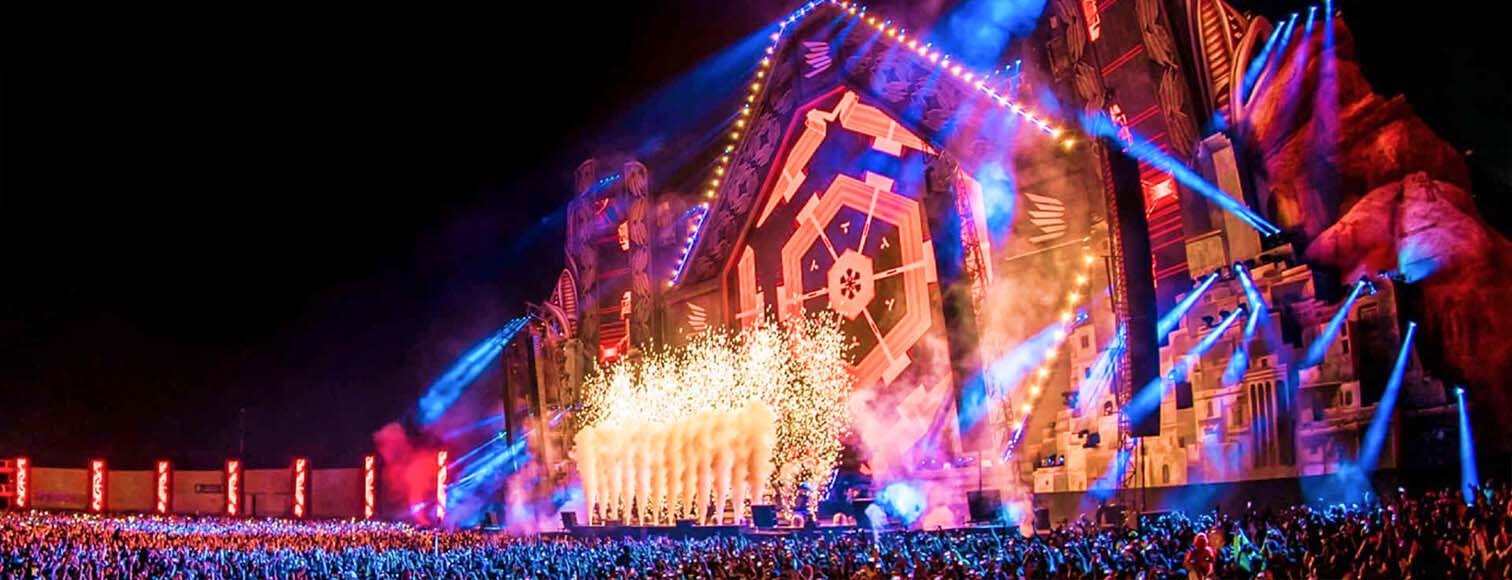
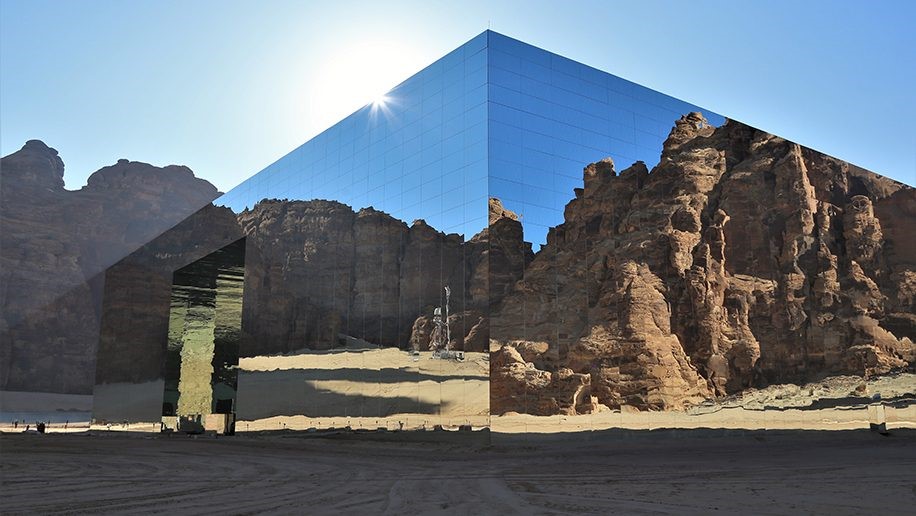
Historical Sites: Al Ula is home to several key archaeological sites, including Madain Saleh, which is a UNESCO World Heritage Site. The preservation and promotion of these historical sites play a crucial role in popular culture, serving as a source of pride and inspiration for the people of Al Ula, as well as attracting tourists and researchers from around the world.
8:00 AM - 9:00 AM: Breakfast at at AlNakheel Cafe - 50-100 SAR.
9:00 AM - 12:00 PM: Visit Madain Saleh (Al-Hijr).
12:00 PM - 1:00 PM: Lunch at at Suhail old town - 150-198 SAR.
1:00 PM - 3:00 PM: Visit the Elephant Rock.
3:00 PM - 5:00 PM: Explore the ancient village of Al Ula, also known as Old Town.
5:00 PM - 6:00 PM: Visit Al-Ula Oasis for a relaxing stroll and enjoy the lush greenery surrounding the palm trees and water channels.
6:00 PM - 8:00 PM: Sadu work shop.
8:30 PM - 9:30 PM: Dinner at Awna Restraunt - 187-224 SAR.
10:00 PM onwards: Depending on your preferences, you can either relax at your hotel and enjoy the facilities at Banyan Tree - 3,600 SAR.
or visit the starry desert for stargazing and experience the tranquil beauty of Al Ula at night.
Workshop
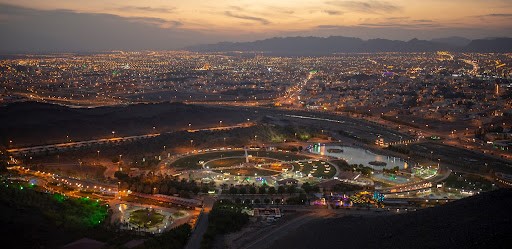
Food: Hail is famous for its delectable traditional dishes like Kabsa, Mandi, and Jareesh, all of which showcase the distinct flavors and culinary traditions of the region.
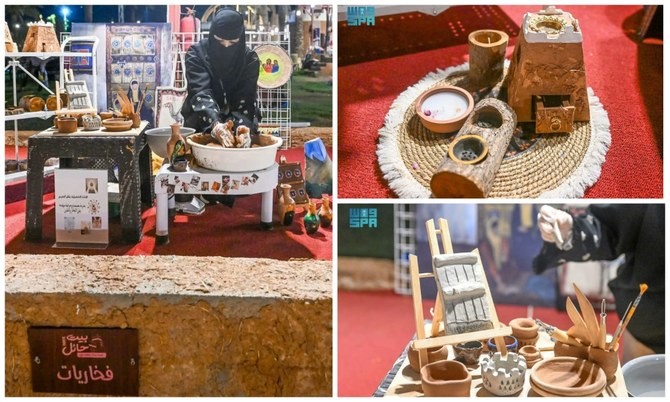
Crafts: Hail is known for its skilled artisans who create beautiful traditional crafts. These crafts include intricate woodwork, pottery, and textile weaving. The city hosts various craft exhibitions and markets, showcasing the talents of local artisans.
Songs and Dances: Hail has a rich tradition of folk music and dance, with various traditional instruments like the oud and drums being commonly used. The region is famous for its traditional dance called the "Ardah," a synchronized group dance performed by men wearing traditional attire.
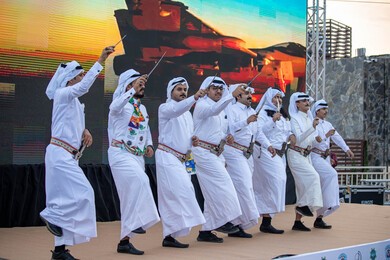
Historical Sites: Hail, Saudi Arabia is a region rich in historical sites and cultural heritage. Here are some significant historical sites in the area: Qasr Marid , Jabal Umm Sanman , Qishlah Palace , Samra Palace , Jawatha Mosque , Al-Hajarah , Kaf al-Marrah , Al-Rajajil Archaeological Site and Rock Art in the Ha'il Region. These historical sites in Hail, Saudi Arabia, provide a glimpse into the region's rich past and offer visitors a chance to explore the ancient civilizations that once thrived in the area.
First Day
7:30 AM - 8:30 AM: Breakfast at Boudl Hail Hotel.
9:00 AM - 10:00 AM: Visit Qishlah Fortress.
10:30 AM - 11:30 AM: Explore the Hail Museum.
11:45 AM - 1:00 PM: Take a stroll through the charming streets of the Old Town.
1:30 PM - 2:30 PM: Lunch at Mandi House.
2:30 PM - 4:00 PM: Visit Al-Qishlah Park.
4:30 PM - 6:30 PM : Pottery workshop.
7:00 PM - 8:00 PM: Explore the Al-Qishlah Souq, a bustling marketplace, and shop for souvenirs and traditional handicrafts.
8:30 PM - 10:00 PM: Dinner at Naranj Restaurant.
Second Day
7:30 AM - 8:30 AM : Breakfast at Al Bader.
9:00 AM - 10:00 AM: Visit the Prince Saud Bin Abdulaziz Bin Abdulrahman Palace.
10:30 AM - 12:00 PM: Embark on a desert adventure and go on a thrilling dune bashing or camel riding experience.
12:30 PM - 1:30 PM: Enjoy a picnic lunch in the scenic surroundings of the desert.
2:00 PM - 3:00 PM: Visit the A'arif Castle, a historic fortress that offers insights into Hail's history and heritage.
3:30 PM - 4:30 PM: Visit the King Khalid Cultural Center.
5:00 PM - 6:00 PM: Explore the Hail Corniche.
6:30 PM - 8:00 PM: Enjoy a shopping excursion at Hail Avenue.
8:30 PM - 10:00 PM: Dinner at Al Nakheel.
Workshop